


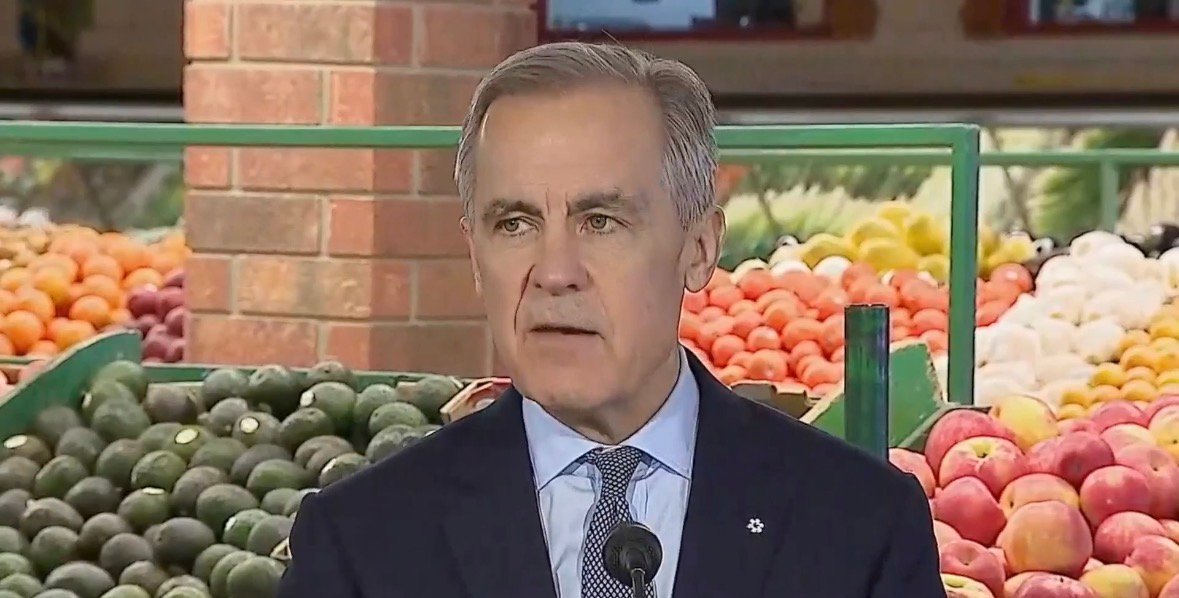
Ottawa — Prime Minister Mark Carney has announced a major package of affordability measures aimed at helping Canadians cope with the rising cost of groceries and other essentials, anchored by a multibillion-dollar expansion of the federal GST credit.
On Monday, Mr. Carney confirmed a significant increase to the Goods and Services Tax (GST) credit, which provides quarterly payments to low- and modest-income Canadians to offset sales taxes on everyday purchases. Building on that announcement, the federal government has now unveiled a broader set of measures focused on reducing household costs and strengthening Canada’s food system.
Central to the plan is the introduction of the Canada Groceries and Essentials Benefit, a rebranded and expanded version of the GST credit. Beginning in July 2026, the benefit will be increased by 25 per cent for a five-year period. In addition, the government will issue a one-time top-up this year equivalent to a 50 per cent increase.
Combined, these measures mean a family of four could receive up to $1,890 in support this year, followed by about $1,400 annually for the next four years. Single individuals could receive up to $950 this year and roughly $700 per year over the following four years. The government estimates that more than 12 million Canadians will benefit from the enhanced program.
Beyond direct payments, Ottawa is also taking steps to address food insecurity, support producers, and reinforce supply chains. The government is allocating $500 million from the Strategic Response Fund to help businesses absorb supply chain disruption costs without passing them on to consumers. An additional $150 million Food Security Fund will be created under the Regional Tariff Response Initiative to support small and medium-sized enterprises and related organizations.
To lower food production costs and boost domestic supply, the government is introducing immediate expensing for greenhouse buildings. Producers will be able to fully write off greenhouses acquired on or after November 4, 2025, provided they are in use before 2030. The measure is intended to encourage investment and increase Canada’s food production capacity over the medium term.
The federal government is also responding to immediate pressures on food banks by providing $20 million to the Local Food Infrastructure Fund, helping food banks and community organizations deliver more nutritious food to families in need.
Looking ahead, Ottawa plans to develop a National Food Security Strategy to address the root causes of food insecurity. The strategy will focus on strengthening domestic food production, improving access to affordable and nutritious food, implementing unit price labelling, and supporting the Competition Bureau’s efforts to monitor and enforce competition in food supply chains.
The government says the measures reflect a dual focus on building a stronger economy with better-paying jobs, while also bringing down costs for households. “By boosting incomes and lowering expenses,” the government said, “we’re working to give Canadians greater certainty, security, and prosperity—now and into the future.”