



OTTAWA – Canada announced on Monday that it would impose a 100% tariff on imports of Chinese electric vehicles (EVs) and a 25% tariff on imported steel and aluminum from China, following the lead of the United States in a move to counter China’s industrial policies.
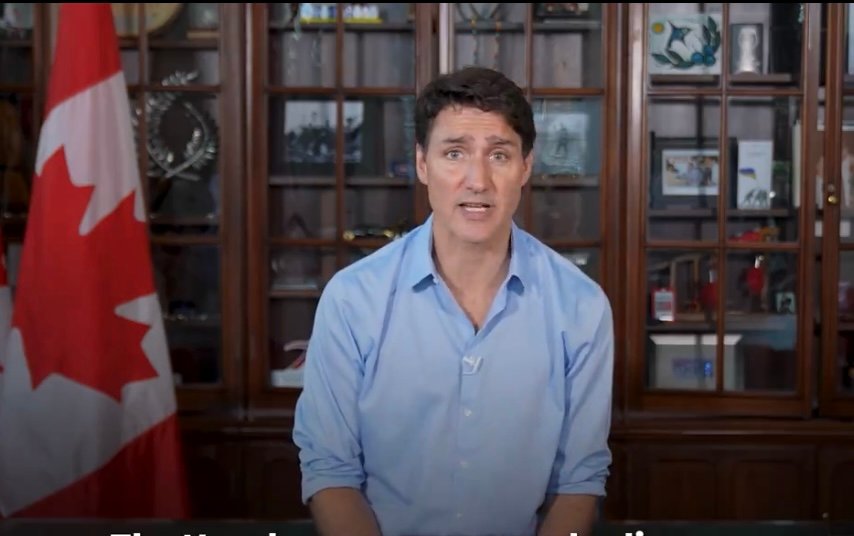
Prime Minister Justin Trudeau stated that these tariffs, which will take effect on October 1, are in response to what he described as China’s “intentional, state-directed policy of over-capacity” in these sectors.
“I think we all know that China is not playing by the same rules,” Trudeau told reporters, underscoring the need for a coordinated international response. “What is important about this is we’re doing it in alignment and in parallel with other economies around the world,” he added, speaking on the sidelines of a three-day closed-door cabinet meeting in Halifax, Nova Scotia.
The Chinese embassy in Ottawa was not immediately available for comment.
China is Canada’s second-largest trading partner, although it lags significantly behind the United States. Recent data from Vancouver, Canada’s largest port, highlighted a 460% annual increase in automobile imports from China in 2023, driven by Tesla’s decision to ship Shanghai-made EVs to Canada.
The new tariffs represent a significant escalation in trade tensions between Canada and China and are likely to have broad implications for Canadian industries and consumers alike.