



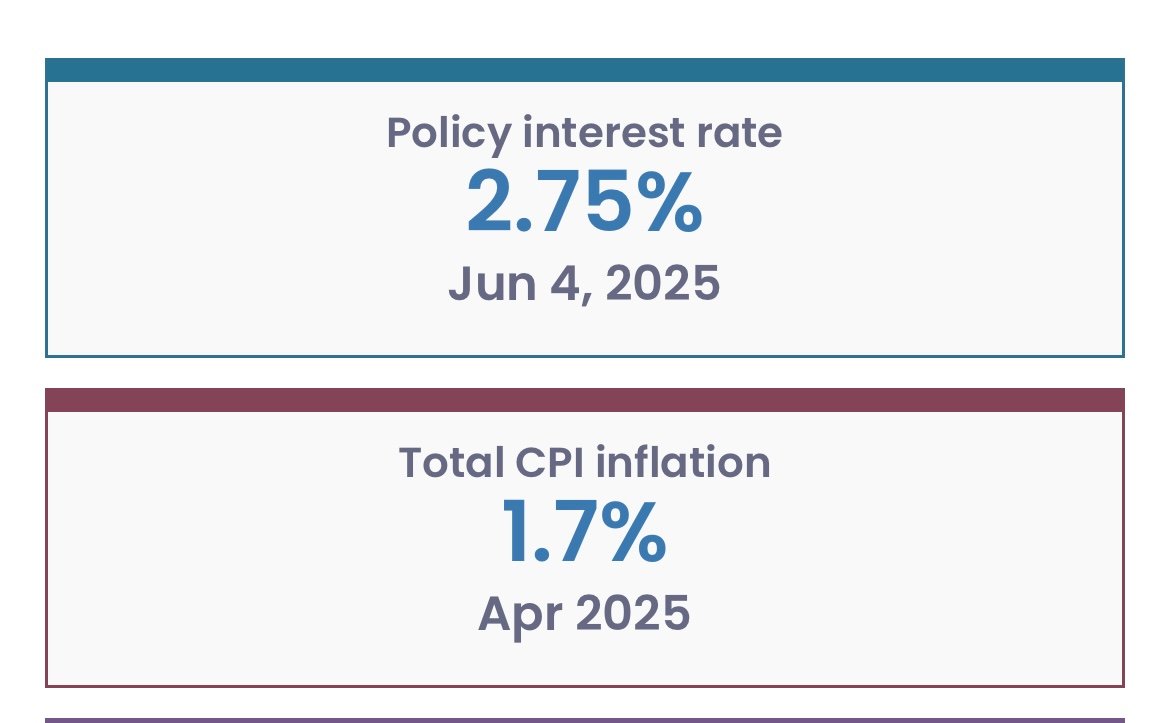
Ottawa – The Bank of Canada has announced it will maintain its target for the overnight interest rate at 2.75%, with the Bank Rate at 3.00% and the deposit rate at 2.70%, citing ongoing global trade tensions and mixed economic signals at home.
In its latest policy statement, the central bank pointed to elevated uncertainty surrounding international trade. Although recent negotiations have led to a partial rollback of extreme tariff measures between the United States and China, trade policy remains unpredictable. New tariff threats persist, and current trade barriers are still well above levels seen earlier this year.
“The Bank is being cautious as global economic forces and domestic inflation pressures tug in different directions,” the Governing Council noted.
Global Context: Tariffs, Inflation, and Volatility
While the global economy has shown resilience, much of the recent strength is attributed to businesses accelerating activity to get ahead of new tariffs. In the U.S., consumer demand stayed solid, but a surge in imports dragged down first-quarter GDP. U.S. inflation remains elevated above 2%, with the full effect of tariffs yet to materialize.
China’s economy has slowed, with exports to the U.S. declining due to higher trade barriers. In Europe, growth has been bolstered by strong exports and increased defence spending.
Financial markets have calmed since April’s turbulence, and oil prices remain stable despite some fluctuation.
Canadian Outlook: Modest Growth, Soft Labour Market
Canada’s economy grew at 2.2% in the first quarter—slightly above expectations—driven by a spike in exports and inventory stockpiling. However, final domestic demand was flat. Business investment outperformed, buoyed by spending on machinery and equipment, while household consumption growth slowed, mirroring a significant dip in consumer confidence.
Housing activity declined sharply, and government expenditures also fell. The labour market continues to show signs of stress, particularly in sectors tied to international trade, with unemployment rising to 6.9%.
The Bank anticipates weaker growth in the second quarter, as temporary boosts from exports and inventories fade.
Inflation: Mixed Signals
Headline CPI inflation dropped to 1.7% in April, primarily due to the federal government’s removal of the consumer carbon tax. However, core inflation (excluding taxes) rose to 2.3%, a bit firmer than the Bank had projected. Businesses and consumers both expect higher prices due to tariffs, with many firms indicating plans to pass increased costs on to consumers.
Cautious Path Ahead
The Bank’s Governing Council emphasized it will “proceed carefully”, closely monitoring developments in trade policy, business confidence, employment, and inflation expectations.
“Today’s decision reflects a wait-and-see approach. With the U.S. still a key factor, and inflation moving in complex ways, the Bank wants more clarity before making its next move,” the Council stated.
Residents, businesses, and financial institutions in Surrey and across Canada will be watching closely for the Bank’s next rate announcement, as policymakers navigate a fragile economic landscape.